
How To Have Taste in a World That Doesn’t Want You To Have Any
On living, discernment, and why scrolling is not the same as having taste.
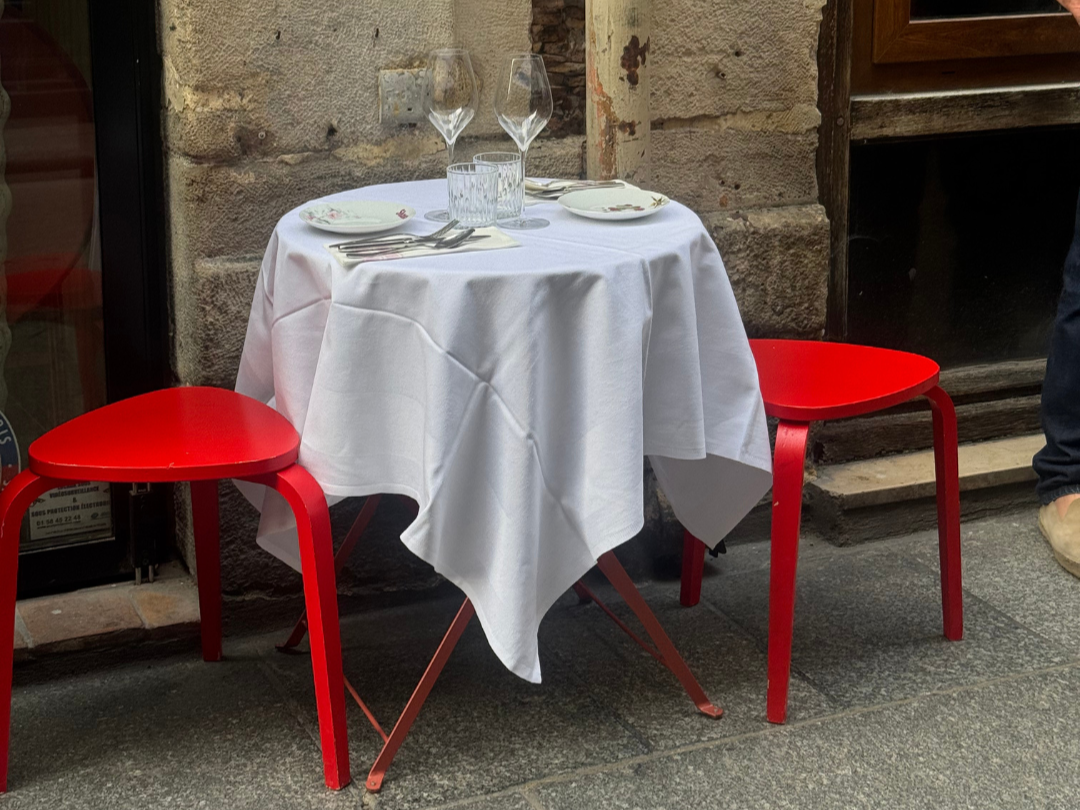
DINNER IN PARIS
We have never had more access to taste and less of it than right now. And, sorry to break it to you but you cannot have taste by watching someone else have it.
I have spent more time saving restaurants than eating in them. I suspect you have too. And somewhere along the way we started calling that having taste.
We scroll, we save, we screenshot and we tell ourselves we are gathering something useful. But we are not actually living, and that is the cost nobody really talks about. Yes, doing the thing can be costly. But so is spending your time on the preview of it, and at least one of those leaves you with something real.
Real taste does not accumulate, it filters, and the only way to filter anything is to actually put yourself through it.
Taste has always been framed as something you buy into, which is convenient for everyone trying to sell it to you. It has historically been used as a social tool, a way of signalling belonging and maintaining distance, which is why the people who defined it had every reason to keep it feeling exclusive, inherited, and out of reach. The world does not particularly want you to have taste. It wants you to have preferences it can monetise, opinions it can aggregate, and an aesthetic it can sell back to you in a slightly different format next season.
Taste, real taste, is harder to package than that. You can have all the access in the world and still not know what to do with it. Money can get you in the room but it cannot tell you how to feel when you are there. That part is on you.
You can often notice that when people do not know what they actually want or actually need they buy things, because buying into the feeling is much easier than embodying it yourself. And an entire industry exists to make sure it stays that way.
You have to actually go
Nobody is saying drop everything and live more fully. Life is expensive and complicated and most people are doing it in whatever increments they can. But the process begins in the moments you do get, ordering the thing, saying yes, speaking to the person next to you, staying too late, getting it genuinely wrong. The getting it wrong part matters more than people tend to admit, partly because nobody posts about it.
There is a particular kind of living that accelerates this. Hedonistic but paying attention, fully in and still noticing. Living and building at the same time. You are going for things and quietly, at the same time, refining them, because the appetite is what creates the material and you cannot edit a life you have not yet lived.
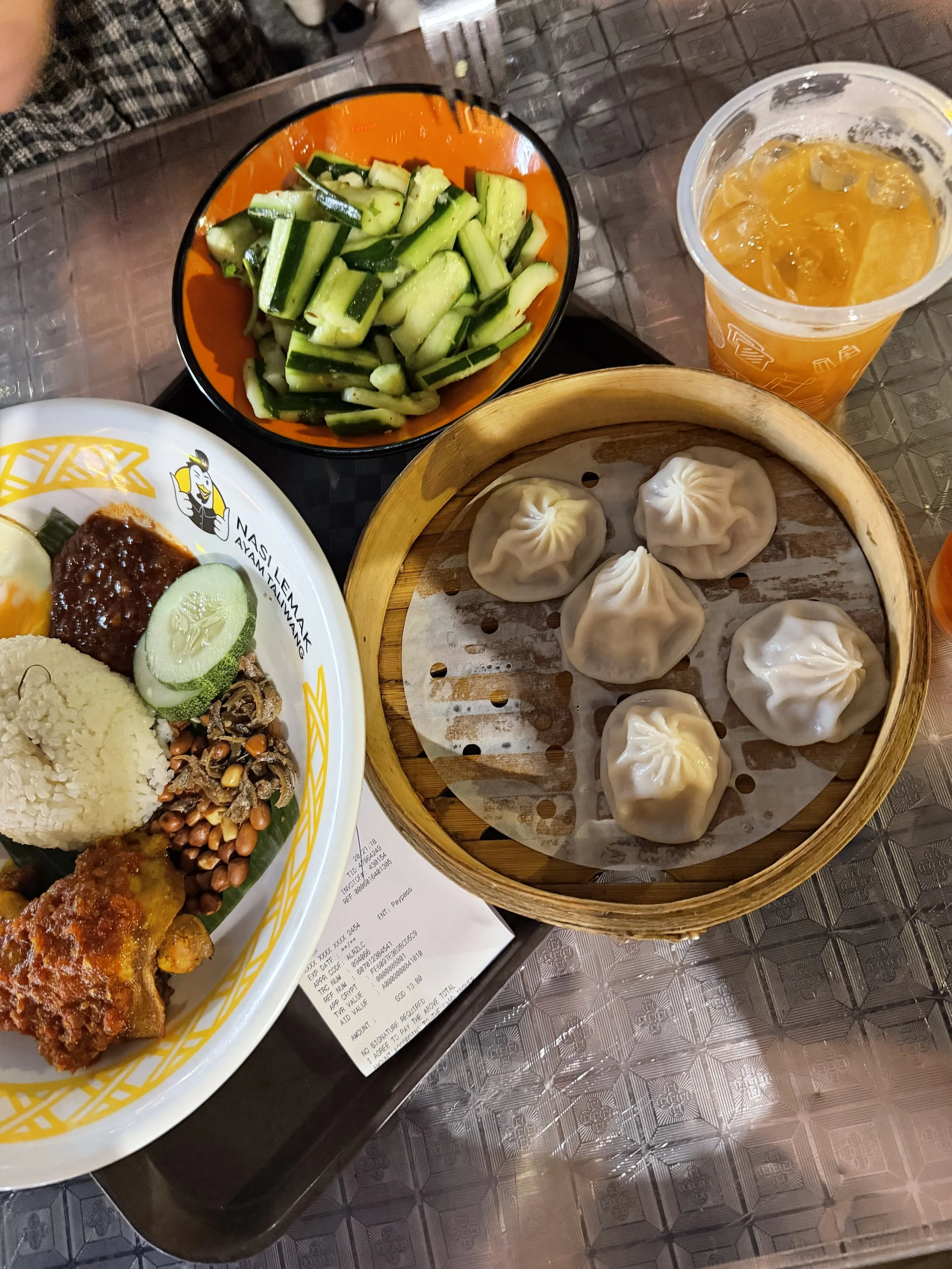
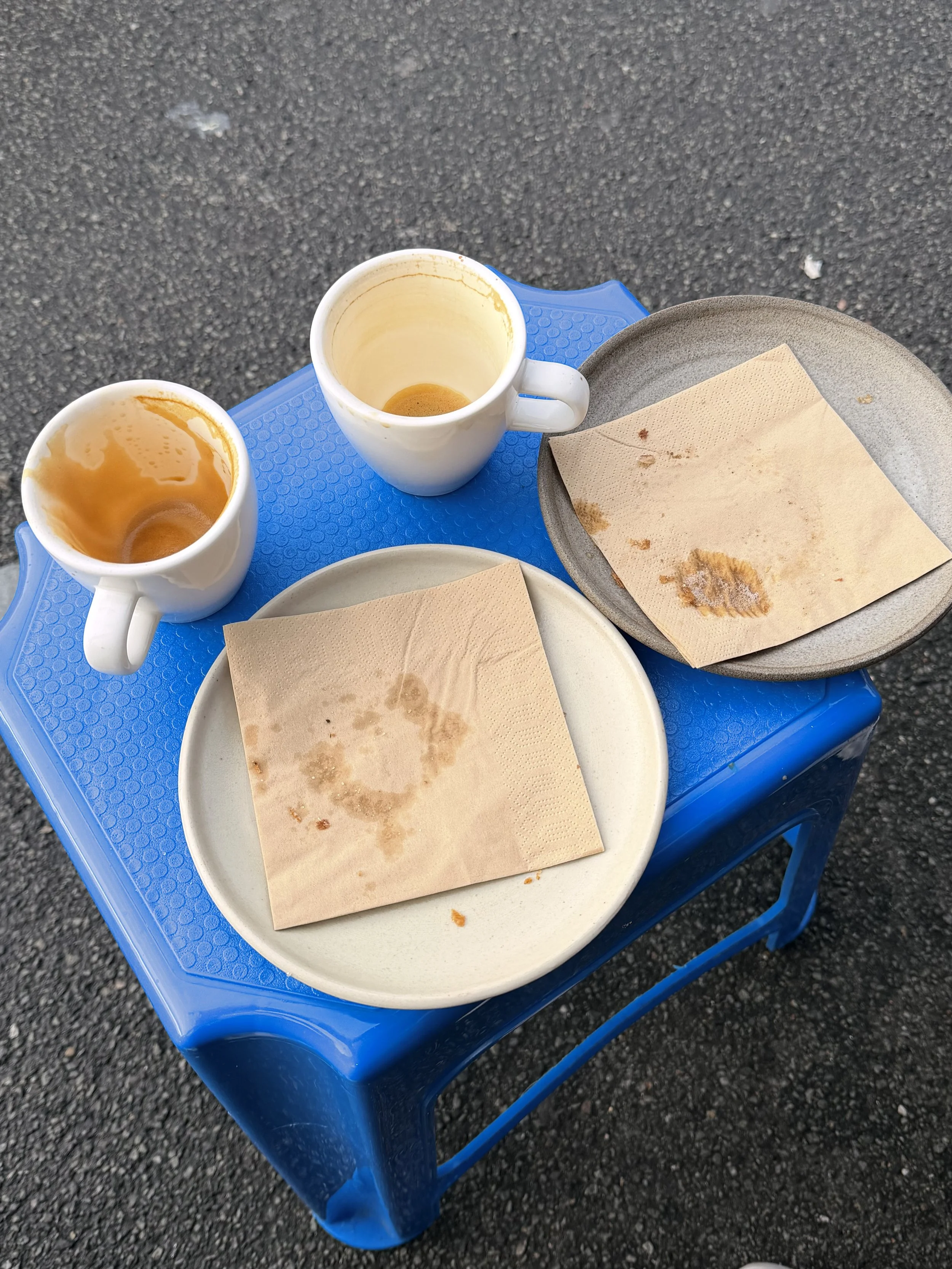
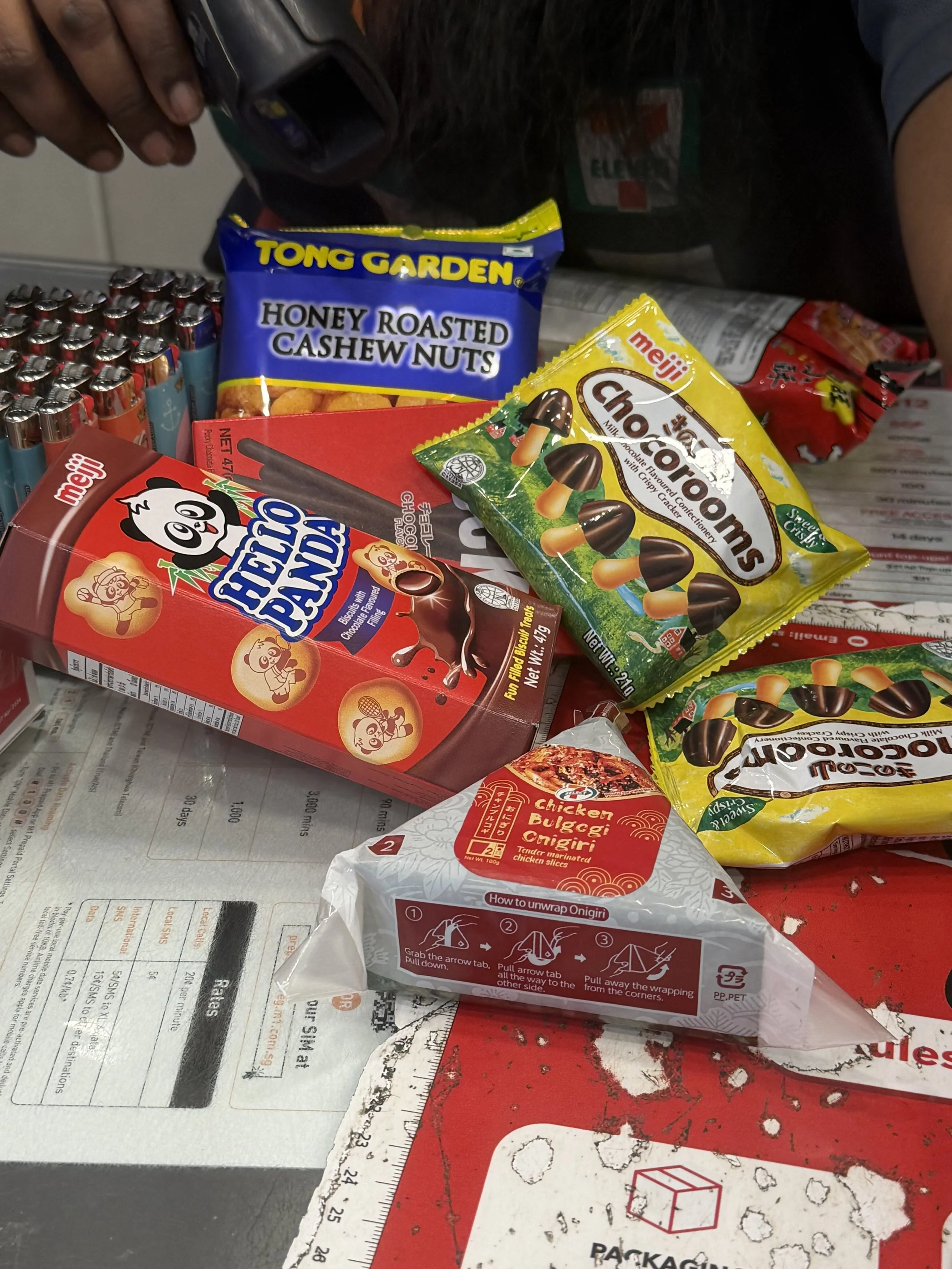
taste as much as you possibly can
And then something feels off, not wrong exactly, just not quite right. You get the table everyone has been trying to get, the room is loud in the wrong way, the food is fine, and somewhere around the second course you realise the most interesting thing about the evening was getting in. Most people ignore that feeling, photograph the pasta, and tell everyone they loved it. Usually because they value trends over taste (i.e. they’re trendy not trendie). But taste lives in that moment, the willingness to notice and then to move, to say “nope, that’s not for me”, even when that means admitting the thing everyone said was unmissable was not really for you.
It works the other way too. An recent example I can think of is before going to see Wuthering Heights recently at the cinema a friend sent me a terrible review and decided not to go with me, and it made me want to go even more. Not to be contrary, just because the more noise there is, the more important it becomes to form your own opinion. I went, I loved it, and even if I hadn’t, the judgement would have been mine. That felt like something worth protecting.
Discernment is the part no one really talks about
Preference is personal but unconsidered, and trend following is considered but not personal. Taste is what happens when the two meet, which is what I have always been trying to build towards, something that is both culturally aware and genuinely yours.
That distinction only sharpens over time, not through more consumption but through honesty about what actually landed and what did not. And this is not just about restaurants or hotels or places that look good in pictures. It is about anything you stayed in longer than you should have because it seemed right from the outside. The job that looked impressive and felt hollow the moment you were actually doing it. The relationship that made sense on paper but sat slightly off in a way you kept overriding. The friendship that was more about the dynamic than the actual person. The destination that used to feel like a discovery and now feels like a queue. You only know these things by actually going, and once you know them you cannot unknow them, which is inconvenient when everyone around you is still convinced it is worth it.
Knowing what you don’t need is not giving up
Modern culture locates taste in the choosing, the decisive well-documented act of selection, but that is taste as performance and performance is closer to aspiration than it is to anything real. The problem is that performance is also very easy to produce and very easy to consume, which is why feeds are full of it and why it is increasingly hard to tell the difference between someone who has taste and someone who has simply learned and mastered the visual language of it.
Real taste is quieter and less photogenic, and it is not restraint so much as the natural result of having tried enough things to understand what you do not need. Not borrowed, not performed, not served to you by an app that also knows what you watched at 2am and has strong opinions about what that says about you.
What you arrive at
Taste is not a collection but a conversation you have with your own experience over time, and what you arrive at is less a set of preferences than a set of refusals. The clearer those refusals become, the more precisely you are able to inhabit your own life.
That is the most countercultural thing you can do right now. Not the right reservation or the right reference or the carefully maintained aesthetic, just the quiet, ongoing work of understanding what is actually yours and choosing to live closer to that. Everything else is just content.
Anyone can fake taste. Very few people can live tastefully. And when I mean LIVE that means in your real life, with your real friends and your real experiences.
Long story short…
Stay Trendie x
